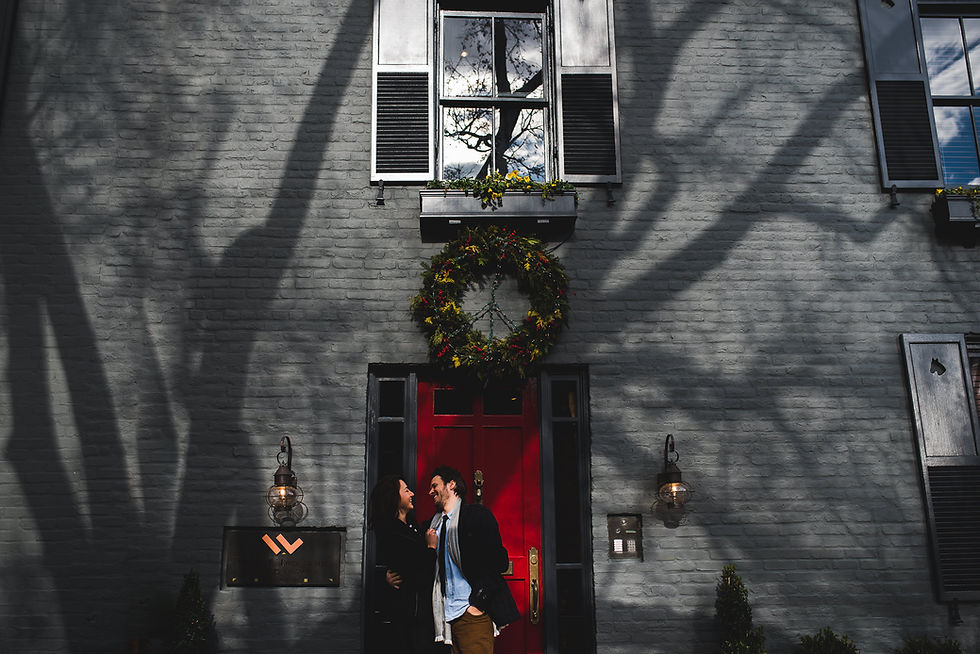
Alexander + Kathleen: Washington DC Engagement Session

Updated: 2 days ago

Alexander and Kathleen: a Saturday afternoon together
A Saturday afternoon at the National Mall with Alexander and Kathleen. That was the starting point for this Washington, DC engagement gallery: time together, a recognizable setting and photographs that do not all need to say the same thing.
The portraits include the space beneath a tree and a closer moment beside leafy branches. Those are two different ways of using a setting. One gives the couple room within the photograph; the other lets the background become quieter. That contrast is a useful starting point when planning a gallery of your own.

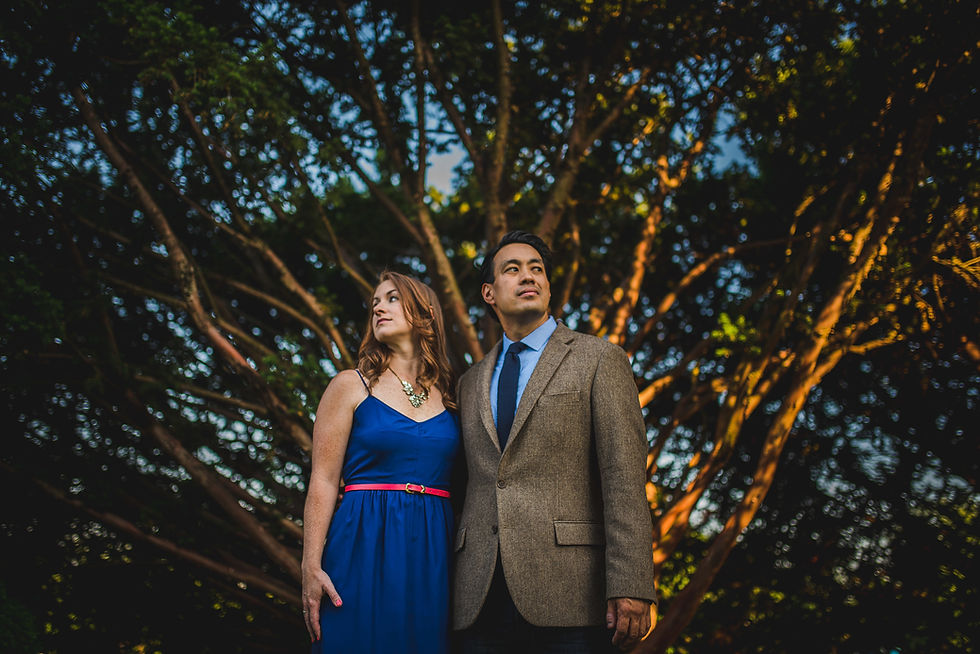
Think in pairs of photographs
Instead of beginning with a list of poses, imagine two photographs you would enjoy together. Perhaps one includes the surroundings and the other is a close portrait. Perhaps one has movement while the other is still. This gives the session a direction without trying to predict every expression.
You do not need a new address for every kind of frame. A change in camera position, the distance between you or the amount of background included can make the same area feel different. Before adding another landmark, ask what it would contribute that the first setting does not already offer.


Use references to explain, not prescribe
Bring a small selection of photographs and tell me why you like them. A dramatic background might catch your eye even though you prefer a relaxed expression. A close portrait might feel personal because of the gesture rather than the pose itself. Separating those details makes the reference more useful.
The aim is not to reproduce someone else's afternoon. Light, access and the people in front of the camera will be different. We can discuss the qualities you want to keep while choosing a route that works for your date and comfort. Keep the plan flexible enough to respond to the setting you actually find.


Let the session teach you something
An engagement session can be a useful conversation before wedding portraits. Notice whether you enjoy moving between photographs or prefer a clearer starting position. Tell me when a suggestion helps and when it feels too directed. That feedback is more useful than trying to do everything correctly.
After seeing your gallery, choose a few photographs that feel most like you and explain why. You may discover that your favorites are quieter than your original references, or that you like more of the place around you. Those preferences can inform the wedding-day portrait discussion without turning it into a second version of the engagement session.


Plan the experience around the photographs
Agree on a meeting point and a practical route. Mention stairs, walking distance or other access needs before choosing the stops. Bring shoes that let you move comfortably, even when you plan to change them for portraits. A session is easier to enjoy when the logistics are not competing for your attention.
Keep an alternative in mind rather than relying on one exact background. Discuss what you would prefer if an area is unavailable or the weather makes the route uncomfortable. Confirm the arrangements for any alternative too. The useful question is how to preserve the kind of session you want, not how to force the original plan.


Choose what you will keep
Think about the photographs beyond the gallery screen. A wide frame and a close portrait may work beautifully as a pair of prints. An invitation may need room for text. A personal favorite may simply be the photograph that feels right without needing an explanation.
Share a particular use before the session, but leave some decisions until you see the images. You do not have to know every photograph in advance. Alexander and Kathleen's wedding story is also on the blog; an engagement gallery and a wedding gallery can sit alongside each other without telling the same story twice.

Explore more: engagement photographs