Annapolis Engagement Photos: Waterfront & Historic Guide

Updated: Oct 12

Annapolis engagement photographs can combine street textures, historic buildings and waterfront views. Choose one main setting first, then check its current access and photography requirements before adding another stop.
We can plan around the amount of walking, clothing changes and the backgrounds you want.
The original Annapolis gallery
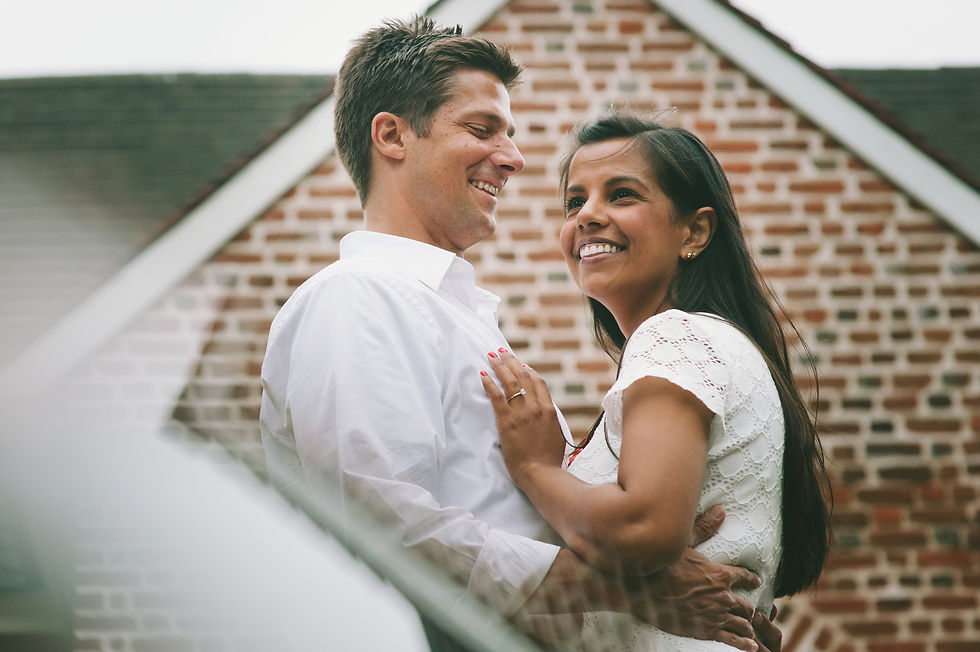
The photographs include street and building details, boats along the waterfront, grass, brick steps and a small white dog. Wider scenes sit alongside closer portraits. They provide examples of different backgrounds without establishing a complete route through every location discussed below.




Check City Dock construction before planning portraits
The City of Annapolis’s August 25, 2026 update describes ongoing City Dock construction. It projects the Ego Alley boardwalk reopening in March 2027 and City Dock Park in July 2027. These are projected milestones, so check the current route before promising unobstructed portraits there.
The update also describes continued support and access for downtown businesses. Construction at City Dock does not mean all downtown streets or waterfront areas are closed. Choose a meeting point and walk that reflect the current access map.
Quiet Waters and Sandy Point have different rules
Quiet Waters Park is an Anne Arundel County park. The county’s photography procedures require discussion and pre-approval by the Park Superintendent for each occurrence. Entry requirements and any reserved spaces must be arranged separately; a portrait session does not automatically have private use.
Sandy Point State Park is a separate Maryland DNR option. Check the date-specific hours and entry reservations before choosing late-day photographs. Seasonal closing times can change the plan.
Maryland’s state-park photography policy exempts qualifying low-impact commercial work with five people or fewer, in public-open areas with minimal carried equipment. That state-park rule does not replace Quiet Waters’ county procedure or Naval Academy requirements.
Naval Academy visits and portrait approval
The Naval Academy’s base-access information sets visitor eligibility, credentials and screening requirements. Visitor admission does not establish permission for a professional portrait session. Confirm the photography plan directly before adding the Academy to your route.
Decide what the waterfront should add
Before choosing your Annapolis route, decide how much of the setting you want in the photographs. A wider portrait can include the water and boats, while a closer frame can keep attention on the two of you. Tell me which matters more so we can choose a background for a reason rather than simply collecting waterfront stops.
Look at the space around the couple when reviewing example photographs. A boat, a railing or a line of buildings can help structure a composition, but it can also compete with a face. A small change in viewpoint may be more useful than moving to another location. We can discuss the kinds of backgrounds you prefer before the day.
Think about where you will use the photographs, too. A wide print and a vertical announcement need different framing. Share a sample layout or dimensions when you have them, especially if a design needs space for text. That helps us plan variety without making every photograph serve the same purpose.
Build a gallery rather than a list of stops
Choose a small set of priorities: a portrait that includes Annapolis, a closer photograph together and something with movement, for example. These are options to discuss, not a fixed sequence or guaranteed results. A short list leaves room to respond to the light and surroundings that are actually available.
Compare what a second setting adds with the effort of getting there. Another background may be worthwhile; another transfer that leaves you rushed may not be. Agree on an exact meeting point and a practical finish. Put walking time and any outfit change into the plan instead of treating them as invisible gaps.
When choosing between galleries, look beyond the strongest single portrait. Notice how wider scenes, closer photographs and quieter moments work together. Explain what you enjoy about that sequence. It gives us a better starting point than asking to recreate every frame from someone else's session.
Plan personal details before the session
The gallery includes a small dog. For your own session, mention a pet before settling the route and check whether the chosen locations allow it. Consider whether someone can help when you want photographs of just the two of you. Bringing a pet should be a planned part of the session rather than an extra task to manage throughout it.
Tell me about practical preferences as well: comfortable walking distance, steps you would rather avoid, or how you feel about being photographed near other people. You can also say what kind of direction helps. Clear suggestions and quieter pauses are both options; there is no need to pretend that the same approach suits everyone.
Finally, confirm the delivery arrangement for your booking and raise any announcement or printing deadline before the session. Share your date, preferred setting and a few photographic priorities when you inquire. Those details make it possible to discuss a useful plan without promising that an old gallery shows the conditions for your visit.
Choose light, shoes and a manageable route
For Annapolis portraits, consider sun direction, weather, building shade and the places you can use at your chosen time. Late-day light is an option to discuss, not a fixed window or a guarantee of fewer visitors.
Comfortable shoes help with transfers; a footwear change for portraits is optional. Keep a second outfit simple so changing does not take over the appointment. A smaller route leaves time for photographs and pauses.
Share your date and setting ideas. You can also compare an indoor DC option in the National Gallery of Art guide.
Use the inquiry page to share your plans and discuss photography coverage.


