Destination Wedding Photographer Based in Washington DC

Updated: 3 days ago
Choosing a destination wedding photographer is about much more than finding a portfolio you like. Destination weddings add travel, unfamiliar venues, changing weather, local rules, transportation, equipment security, time-zone differences, and more moving parts than a typical local wedding. The photographer should be able to manage those logistics without making the couple responsible for the photography operation.
Start with complete galleries, not destination highlights
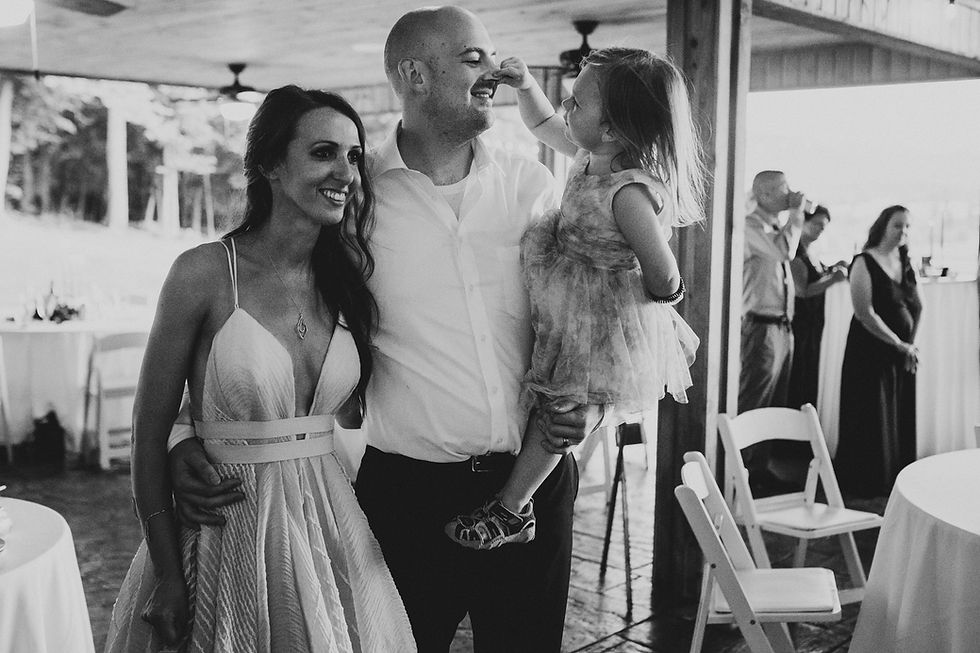
Dramatic scenery can make a few destination images look spectacular, but that does not prove the photographer can tell an entire wedding story consistently. Review complete galleries with preparation, ceremony, family portraits, difficult midday light, cocktail hour, speeches, dancing, low-light reception work, and weather changes. You are hiring someone for the whole experience, not only for sunset portraits.
Understand exactly how travel is handled
Ask whether flights, lodging, baggage, rental cars, ground transportation, and travel days are included in the proposal or billed separately. Clarify who makes the reservations and what happens if plans change. These details should be settled before flights are purchased so the final cost and responsibilities are clear to the couple, planner, and photographer.
Travel days need margin
A photographer arriving on the wedding morning creates avoidable risk. Flights can be delayed, luggage can be lost, weather can interrupt routes, and rental-car or ferry schedules can shift. A destination plan should include enough arrival margin to absorb normal travel problems. The exact amount depends on the destination, but the wedding should not depend on everything going perfectly.
Backup equipment matters more away from home
Replacing failed equipment can be difficult in a remote destination. Ask whether the photographer travels with multiple camera bodies, backup lenses, batteries, chargers, memory cards, flashes, and other critical gear. A professional destination setup should be designed so a single equipment failure does not stop wedding coverage.
Ask about image backup while traveling
After the wedding, the files may pass through hotels, airports, rental cars, and several travel days before the photographer returns home. Ask how photographs are backed up during that period. The only copy should not live on one set of memory cards or one laptop. Image security is one of the least glamorous but most important destination-wedding questions.
Local photographer or photographer who travels with you?
There is no universally correct choice. A local photographer may know the venue, language, customs, and regional logistics well. A photographer traveling with you may already understand your expectations, style, communication preferences, and the way you want the wedding documented. Compare reliability, complete galleries, communication, adaptability, and logistics instead of assuming either option is automatically better.
Venue familiarity is useful, but adaptability matters more
Photographing a venue before can help, but it should not be a requirement. A destination photographer should be able to read unfamiliar light, scout efficiently, understand event flow, work with the planner and venue team, and adapt when the real property looks different from photographs online. The ability to work somewhere new is part of destination experience.
Scout what affects the timeline
A useful scout focuses on ceremony orientation, preparation rooms, reception lighting, portrait locations, walking distances, transportation, sunset direction, weather backups, and access restrictions. It does not need to become an all-day photo tour. The purpose is to remove uncertainty and build a realistic schedule before guests arrive.
Build the timeline around the destination
Destination weddings often include boats, ferries, mountain roads, resort shuttles, golf carts, historic streets, security checkpoints, or long walks. Those transitions take real time. Do not copy a timeline from a local ballroom wedding. Build the schedule around the actual movement required and include margin for unfamiliar transportation.
Weather and backup plans
Destination weddings are often chosen for the scenery, so weather can change the visual plan quickly. Consider rain, wind, heat, humidity, storms, cold, or snow depending on the region. The backup plan should protect the ceremony and guest experience first while still leaving the photographer practical ways to document the day naturally.
Local rules, permits, and international requirements
Some destinations regulate professional photography, drones, beaches, parks, historic sites, ceremonies, or commercial activity. International weddings can add visas, work permissions, customs, equipment declarations, insurance, language differences, and mobile-service issues. Requirements vary by destination, so responsibilities should be researched and assigned before travel rather than improvised after arrival.
Cultural and religious traditions
Destination weddings often bring together families, languages, cultures, and traditions. The photographer should understand the schedule and meaning of important events before they happen. Ask how they prepare for ceremonies they have not photographed before. A good answer should involve research, communication, and coordination—not simply promising to capture everything.
Consider the whole wedding weekend
A welcome dinner, rehearsal, boat trip, cultural ceremony, or informal gathering may contain some of the most personal moments of the destination experience. If those events matter, discuss coverage before travel is booked. Destination weddings often make more sense as a weekend story than as one isolated eight-hour event.
Portraits should not consume the destination
Beautiful scenery creates temptation to turn the wedding day into a photo tour. Choose a few portrait locations that fit naturally into the schedule. If the destination deserves a longer session, consider another day rather than removing the couple from their guests for hours. The wedding experience should stay larger than the photography checklist.
Second photographers, insurance, and contingency plans
Large guest counts, simultaneous preparation, complex ceremonies, or multiple locations can make a second photographer valuable. Ask whether additional travel costs apply to team members. Also ask about liability insurance, equipment coverage, illness, flight disruption, and emergency plans. No plan removes every risk, but the contract should explain how major contingencies are handled.
Questions to ask before booking
Ask to see full destination galleries. Ask how travel is priced, when the photographer arrives, how equipment and images are backed up, how unfamiliar venues are scouted, how permits and local rules are handled, and what happens if a flight is canceled. Also ask about welcome-event coverage, second photographers, delivery, and communication with the planner.
What matters most
A destination wedding photographer should make photography feel simpler, not more complicated. The best fit combines strong storytelling, consistent full-gallery quality, calm communication, technical reliability, thoughtful travel preparation, and the ability to adapt quickly in an unfamiliar place. The destination provides the landscape; the photographer still has to preserve the people and emotion that brought everyone there.
Explore more wedding photography by Mantas Kubilinskas.


