St. Regis Washington, DC Wedding Guide

Updated: 1 day ago

Planning a St. Regis Washington, DC wedding? The hotel pairs a landmark downtown address with formal interiors, attentive service, and a photography plan that can stay close to the celebration. This guide covers the venue experience, the spaces to ask about, how to photograph the day, a practical timeline, and the details to confirm before you sign. For current room details and event information, review the hotel's official wedding and events page.
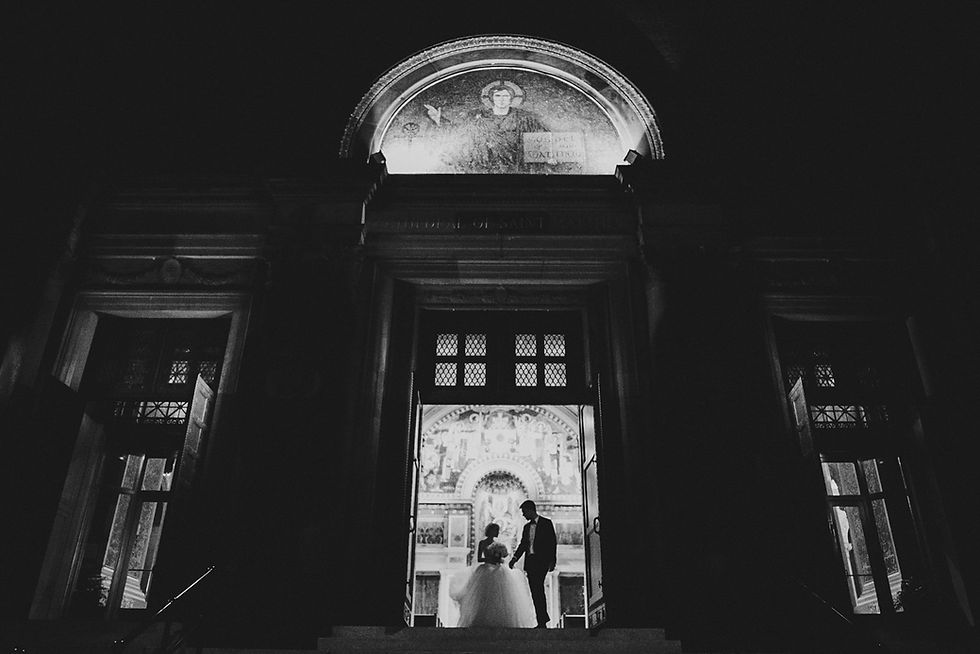
A St. Regis Washington, DC wedding can begin before the ceremony, with the city, the hotel, and the anticipation of the day already part of the story. Give the photographer time to document the arrival and the first quiet moments, not just the finished room.
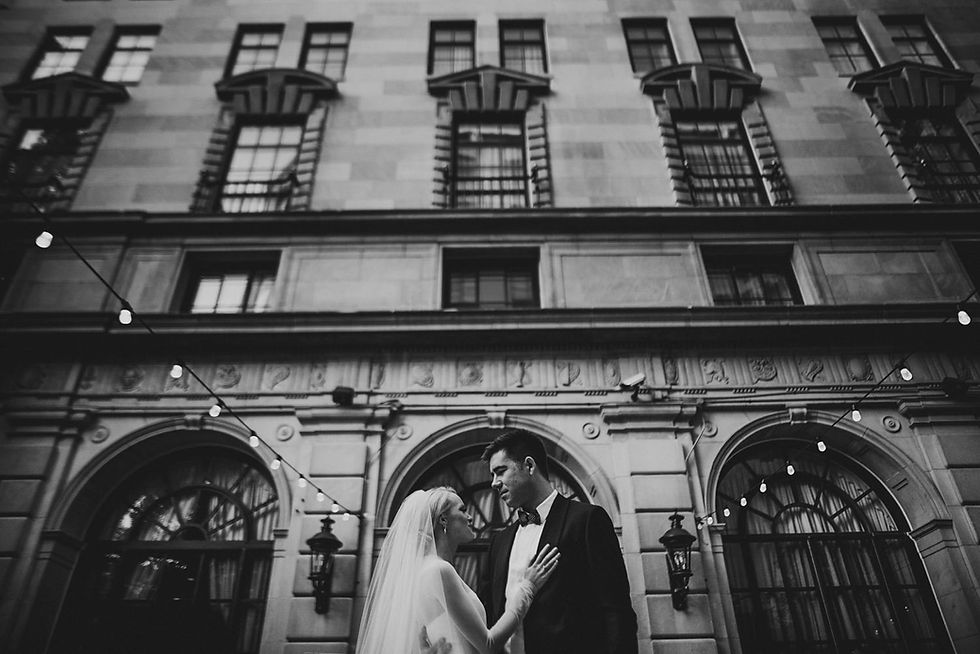
The entrance is a natural establishing frame because it connects the couple to a recognizable Washington, DC landmark. A short portrait here can add context to the gallery while keeping the focus on the people.
Why Choose The St. Regis Washington, DC for a Wedding?
Hotel preparations are practical and visual. Keep invitations, rings, attire, shoes, and floral details together so they can be photographed efficiently before the room fills with activity.
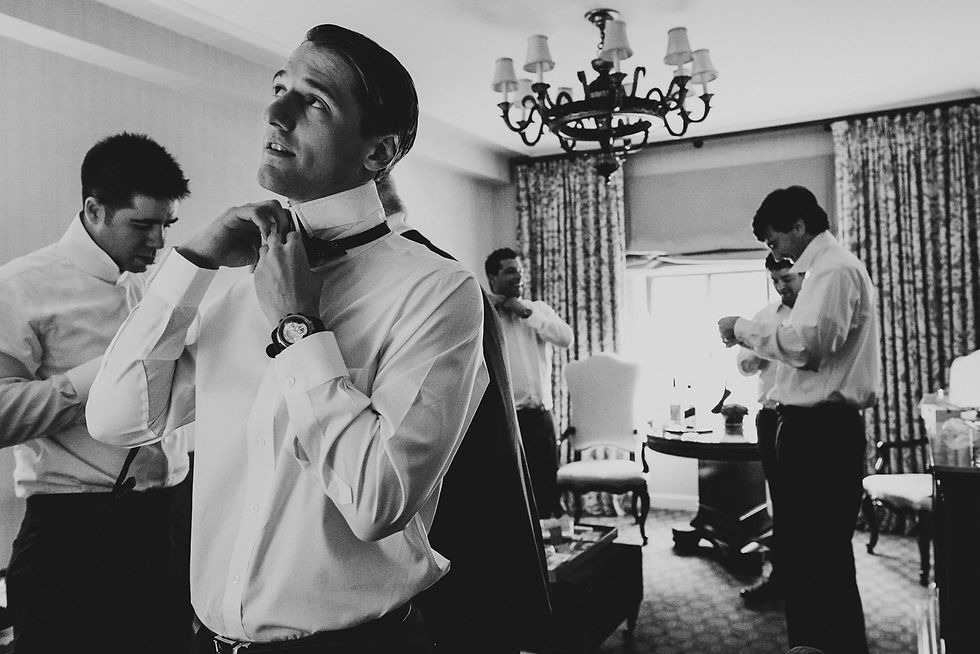
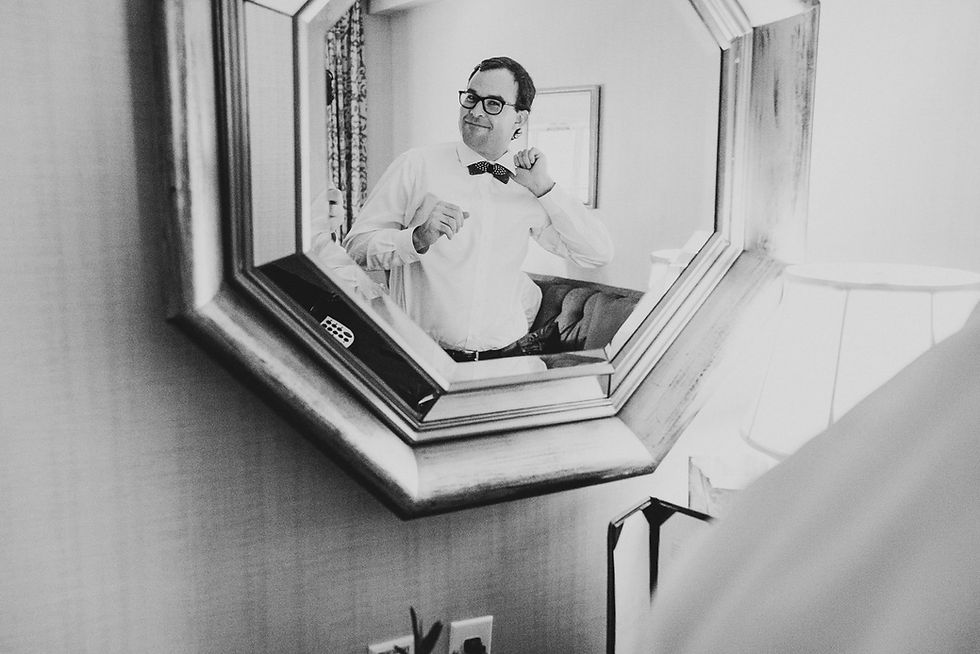
The getting-ready portion of the day benefits from a little breathing room. Window light, mirrors, doorways, and the room's architectural details can create variety without sending the couple across the city.
When the wedding party shares the morning, the photographs become more than a checklist of details. They show the friendships, nerves, jokes, and small acts of help that make the celebration personal.

A landmark downtown Washington, DC setting with a formal hotel atmosphere
The Astor Ballroom, Astor Terrace, and additional event rooms to discuss with the venue
Indoor portrait options that keep the photography plan steady when weather changes
A connected schedule that still allows time for elevators, room resets, family photographs, and guest movement
A St. Regis celebration can feel polished without feeling staged. Plan a few intentional portraits, then leave space for real interactions to develop around them.

The strongest gallery moves between wide views and close moments. Establish the hotel first, then let expressions, hands, movement, and family connections carry the story forward.

Classic formalwear and the hotel's refined interiors work naturally together. Neutral tones, considered florals, and a restrained design allow the architecture to support the celebration rather than compete with it.

What Does a St. Regis Washington, DC Wedding Feel Like?
A wedding here often feels calm, ceremonial, and connected to the pace of a luxury hotel. That atmosphere is worth protecting in the schedule, especially during transitions between preparation, ceremony, portraits, and dinner.

The property's current events information lists eight event rooms and publishes a capacity chart by setup. Treat that page as a starting point, then confirm the room combination, guest count, service plan, and availability in the venue's current proposal.
The hotel offers a useful range of event settings. The right room depends on guest count, ceremony plan, reception format, music, and the amount of space needed for guests and vendors.

The Astor Ballroom is the natural choice for couples who want a formal reception with architectural presence. Before finalizing the layout, ask how the room will look for the ceremony, dinner, speeches, dancing, and the empty-room photographs.

Chandeliers, doorways, windows, and layered interior light give ballroom photographs depth. Photograph the room before guests enter, then return to it once the celebration adds movement and energy.

The Astor Terrace offers an outdoor option for ceremonies, cocktails, or a portion of the reception. Confirm the weather plan, lighting, furniture layout, and the time needed to move guests between indoor and outdoor spaces.

For an outdoor moment to feel unhurried, build in time for guests to settle and for the couple to pause after the ceremony. Those extra minutes often produce the most natural expressions.

St. Regis Wedding Spaces and Reception Planning
Additional salons and event rooms can support smaller ceremonies, cocktail hours, family photographs, or a quiet retreat. Ask the venue team which spaces are available for your date and how each transition will work.

A well-planned St. Regis wedding photography timeline uses the property as a series of connected scenes. Keeping key events on site can reduce travel, but elevators, corridors, room resets, and guest traffic still need time.

The Astor Ballroom and Hotel Interiors
The ballroom and salons photograph differently throughout the day. Notice where the strongest available light falls, which backgrounds stay uncluttered, and where the photographer can work without interrupting service.

Architecture is most effective when it frames the couple instead of overpowering them. Use symmetry for a formal portrait, then move closer for photographs that feel quieter and more intimate.

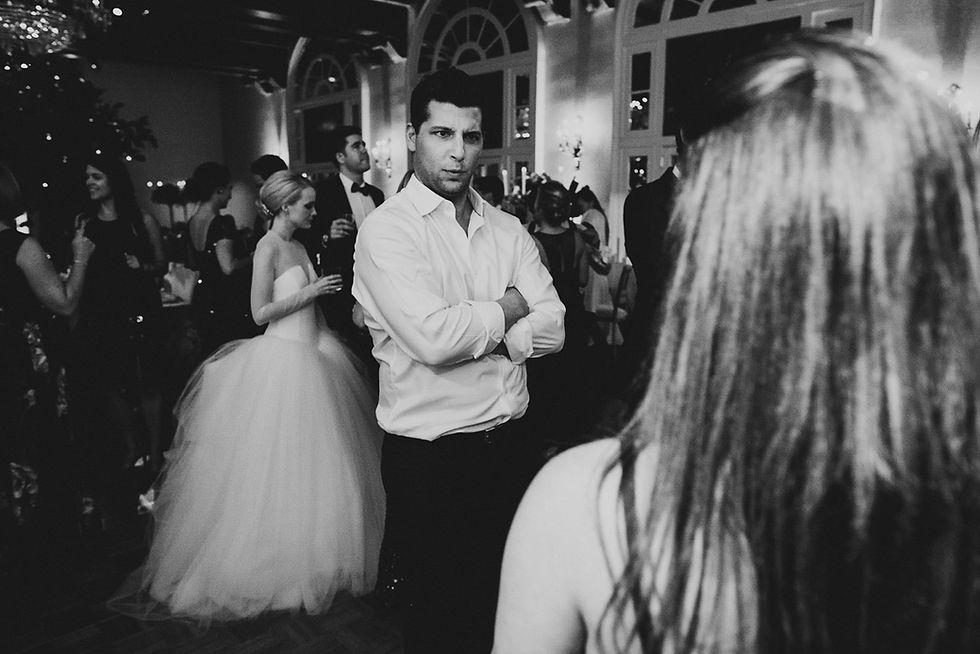
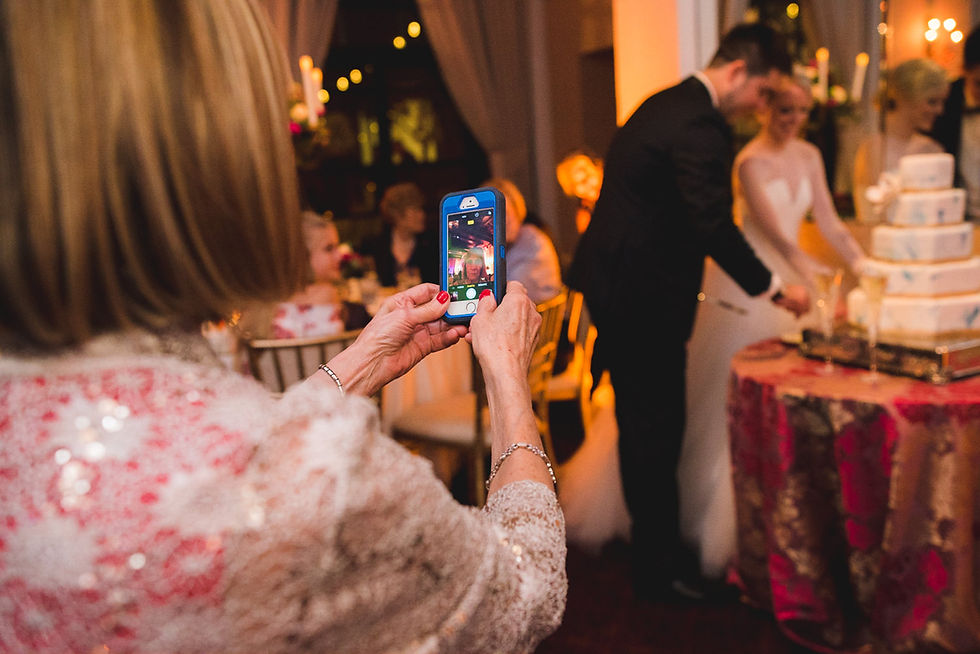
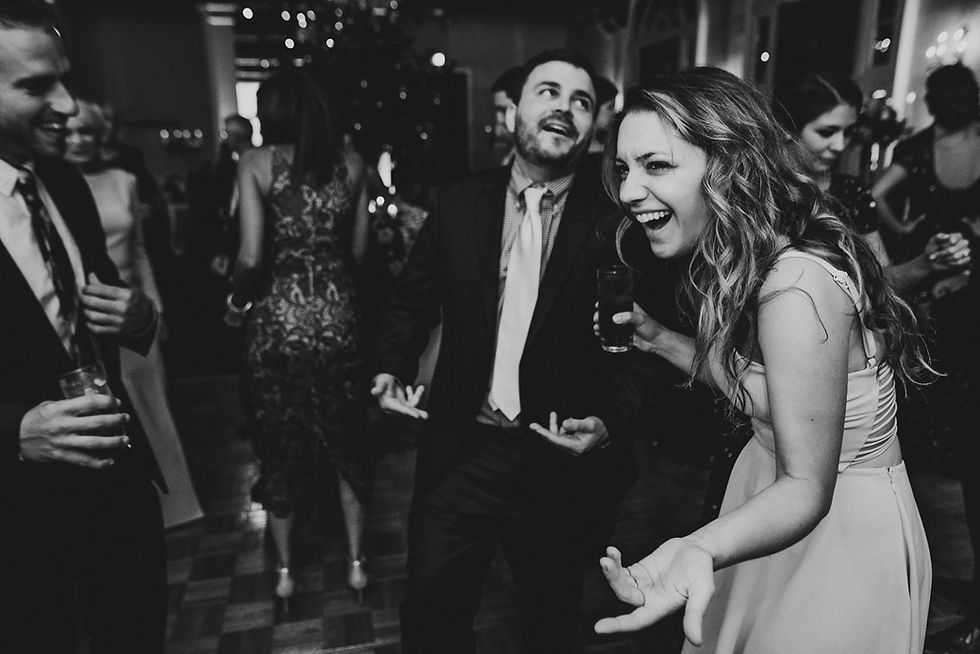
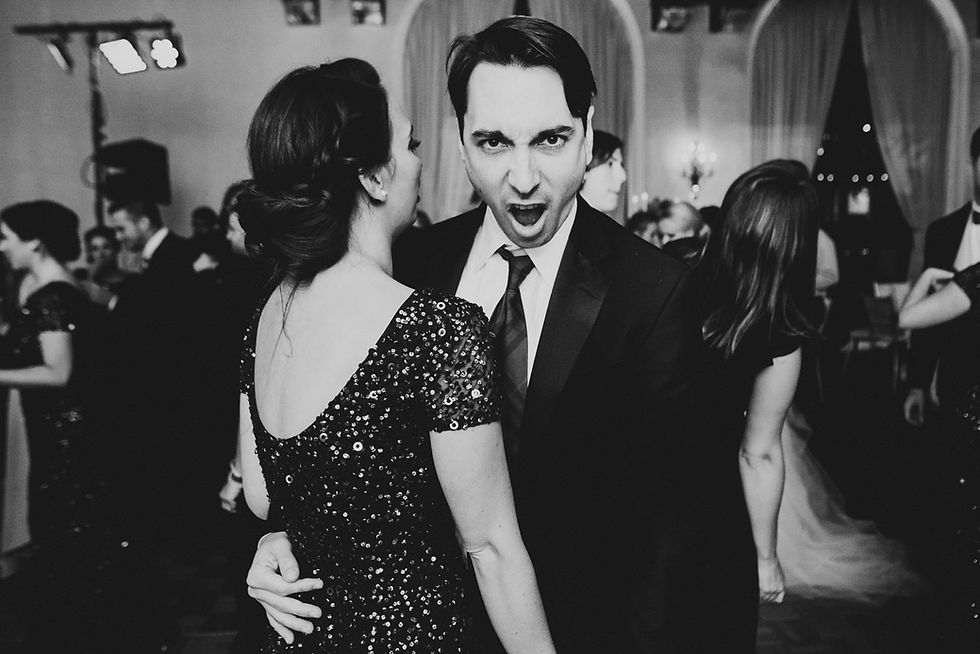
A complete wedding gallery should include guests, not only the couple. Reactions during the ceremony, conversations during cocktails, and laughter at dinner explain what the day felt like.

Details are small anchors in the final story. Photograph stationery, rings, attire, florals, place settings, menus, and personal objects in the same visual language as the portraits.

Ceremony photographs benefit from anticipation as much as from the vows themselves. Look for the last conversation beforehand, the processional, the faces of family, and the first seconds after the couple is married.

Family photographs work best when the list is prepared in advance and a coordinator can gather people quickly. Keep the groupings close to the ceremony or portrait location so the day does not lose momentum.

Couple portraits should feel guided, not rigid. A clear plan for two or three locations is usually more useful than trying to use every corner of the hotel.

If you want photographs outside the property, decide whether the extra travel adds enough value to justify the time. The best choice depends on the venue schedule, traffic, security, weather, and the kind of gallery you want.
St. Regis Washington, DC Wedding Photography
A St. Regis Washington, DC wedding is especially well suited to a balanced photography approach: polished portraits, composed room photographs, and documentary coverage of the people moving through the day.

Share the priorities with the photographer before the wedding. If the ballroom, ceremony, family history, or dance floor matters most, the coverage plan can protect those moments instead of treating every part of the day equally.

Reception coverage should begin before the room is full. Photograph the tables, florals, menus, lighting, and empty dance floor, then stay long enough to record speeches, first dances, open dancing, and the atmosphere around them.

The shift from formal portraits to celebration is one of the most valuable arcs in a wedding gallery. Preserve that change by allowing the photographer to stay through the moments that cannot be recreated.

The photographer's job is to notice the relationship between the setting and the people. Direction is useful when a portrait needs shape; observation is better when the couple and guests are already engaged with one another.

For a classic hotel wedding, small changes in position can make a portrait feel completely different. Use doorways, stair landings, reflective surfaces, and long corridors to create visual variety without adding travel.

Planning Portraits Without Rushing the Day
A short private portrait window can be more productive than a long, interrupted session. Protect it in the schedule and let the couple reset before returning to their guests.

Family portraits deserve the same care as couple portraits. Make a written list, assign someone to help call people forward, and choose a location with enough room for everyone to gather.

Wedding-party photographs can be formal, editorial, or relaxed. Decide what fits the couple and the venue, then create a few variations rather than repeating the same pose.

The best photographs of the space are made before the first plate is served. Ask when the room will be fully dressed and when the photographer can work without guests or staff moving through the frame.
Guest arrival is part of the visual story. Doors opening, coats being checked, greetings in the lobby, and the first glass raised can make the gallery feel lived-in from the beginning.

Build vendor access into the photography plan. Ask about load-in, setup windows, elevator use, storage, restrictions, and who can approve changes on the wedding day.

A planner and photographer should share the same schedule. When everyone understands the room transitions and family-photo priorities, the couple does not have to manage logistics in the middle of the celebration.

Downtown Washington traffic and event activity can affect arrivals even when the ceremony and reception are in one hotel. Add practical buffer time for the couple, guests, and vendors.

Weather matters most when the plan relies on the terrace or a separate portrait location. Keep an indoor alternative that is attractive, accessible, and already approved by the venue.

Ask the hotel and planner how lighting, music, candles, décor, and photography interact in each room. Small technical decisions can change how the finished photographs look.

Guest comfort shapes the photographs as well as the experience. Clear directions, sensible transitions, places to pause, and a schedule with room to breathe help people stay present.

If the celebration includes cultural traditions, live music, or a large family group, tell the photographer early. These details affect timing, positioning, and the moments that deserve special attention.

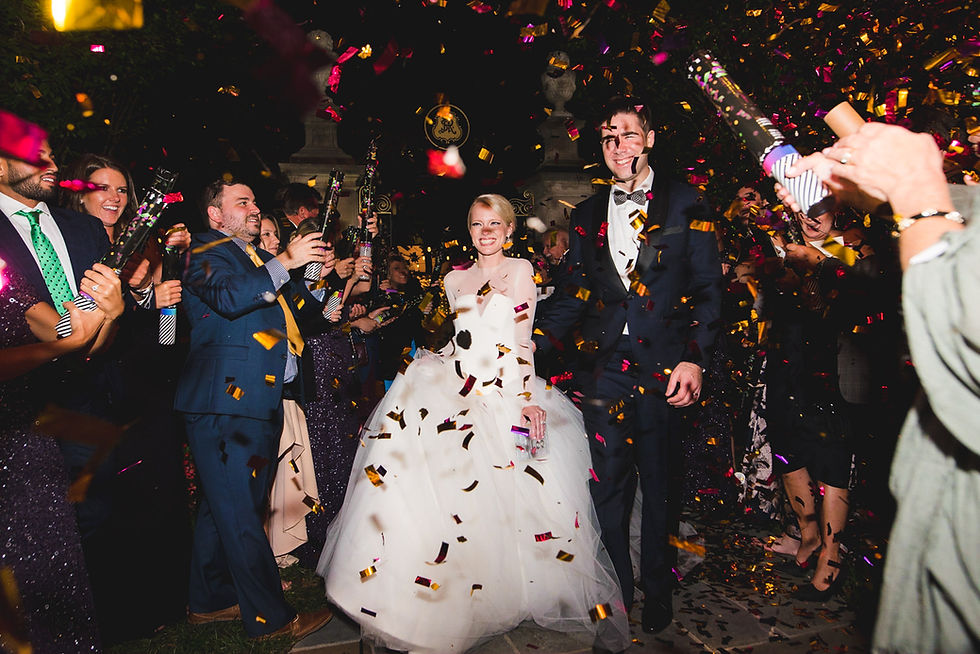
The most memorable images often happen between formal events. A parent fixing a boutonniere, friends sharing a private joke, or the couple taking one quiet breath can say more than another posed portrait.

Guest Experience, Vendor Access, and Logistics
Before booking, connect the venue team, planner, photographer, caterer, and entertainment team around one working document. It should show access times, room assignments, portrait windows, family groupings, and the plan for weather.

Ask every vendor the same practical question: what needs to happen before they can begin? Clear answers make it easier to build a realistic schedule and prevent avoidable gaps.

A practical St. Regis wedding timeline begins with access, not with the ceremony. Confirm when each team can enter, when the room will be ready, and when the couple can move without crossing guest traffic.

Start by protecting the non-negotiable moments: getting ready, the ceremony, family photographs, couple portraits, dinner, speeches, first dance, and the part of the reception you most want to remember.

Next, add the transitions. Moving between salons, the ballroom, the terrace, guest rooms, elevators, and portrait locations takes real time, even when everything is inside the same property.

Keep the timeline flexible enough for human moments. A realistic plan leaves room for a late hug, a longer ceremony, a family member who needs help, or a photograph that is worth waiting for.

A Practical St. Regis Washington, DC Wedding Timeline
Use the framework below as a starting point, then adjust it to your ceremony time, guest count, vendor access, room combination, and the pace that feels natural to you.

Confirm the venue, guest count, design direction, and photography priorities.
Book the photographer and planner, then share the current venue proposal.
Finalize family groupings, portrait locations, ceremony flow, and reception priorities.
Confirm access times, room layouts, vendor arrivals, transportation, and the weather alternative.
Keep one working timeline for the planner, venue lead, photographer, and key vendors.
Protect the ceremony, portraits, dinner, speeches, first dance, and the part of the reception you most want to remember.
Before the Wedding
Twelve to eighteen months before the wedding, confirm the venue, approximate guest count, overall design direction, and whether you want the full day documented or only selected events.

Eight to twelve months out, book the photographer and planner, then share the venue proposal so the photography plan reflects the actual rooms and services you are considering.
Three to six months before the wedding, refine the family-photo list, portrait priorities, ceremony layout, reception entrances, and any traditions that need additional time.

Four to eight weeks out, confirm vendor arrival windows, hotel room access, the final floor plan, rain alternatives, transportation, and the person responsible for gathering family members.
During the wedding week, keep the working schedule in one place and give the photographer the latest version. Small changes are normal; surprises are easier to handle when everyone sees the same plan.

On the wedding day, photograph the room before guests arrive, then protect a private portrait window and let the rest of the coverage follow the real rhythm of the celebration.

At the reception, plan around the moments that matter most to you. A shorter formal program can leave more room for dinner conversation, dancing, and photographs that happen naturally.

Planning Checklist for a St. Regis Wedding
The final planning pass should be simple enough to use on a phone. Include names, phone numbers for the planner and venue lead, access notes, family groupings, portrait locations, and the weather decision.
Current venue proposal, room combination, menu, bar, overtime, and access terms
Photography permissions, preparation locations, indoor portrait plan, and weather backup
Family and wedding-party photo list with one person assigned to gather everyone
Vendor arrival windows, load-in instructions, elevator access, storage, and contact numbers
A realistic schedule with breathing room between major events
Read the venue agreement carefully for current pricing, room access, catering, bar service, overtime, setup, décor, photography permissions, and cancellation or weather policies.

Ask where personal items can be stored and where the photographer can work during preparation. A clear answer protects both the room and the people getting ready.
Keep the Experience Comfortable
Make the guest experience part of the design. Comfortable transitions, clear signage, accessible routes, and a thoughtful room block can make a formal wedding feel welcoming.

Choose décor that works with the hotel's existing lines and light. It does not need to cover every surface; a focused design can leave room for the architecture and the people.

Build an indoor portrait plan even if the forecast looks perfect. That is not a compromise; it is a second visual option that keeps the day calm when weather or timing changes.

Seasonal Planning and Reception Design
Seasonal planning changes the light, the terrace experience, and the way guests move through the day. Ask what the venue recommends for your date, then design the schedule around the actual conditions.

Choosing the Season
In spring and summer, consider when the outdoor spaces will feel most comfortable and when the light is strongest. In fall and winter, let the interiors, candlelight, and reception atmosphere carry more of the visual story.

A luxury hotel wedding can look polished in any season when the plan is intentional. The goal is not to force a particular style, but to make the setting feel like a natural extension of the couple.

When the final gallery is edited, the strongest sequence will usually include context, preparation, ceremony, portraits, dinner, dancing, and the quiet frames between them. That is what turns a venue guide into a real wedding story.

Frequently Asked Questions About St. Regis Weddings
If you are comparing St. Regis weddings with other Washington, DC venues, focus on the experience you want guests to have: a landmark setting, connected indoor spaces, formal service, or a more outdoor-centered celebration.

The right venue is the one whose spaces and pace support your priorities. Confirm current details directly with the hotel, then build your photography plan around the people and moments you do not want to miss.
What event spaces can be used for a St. Regis wedding?
The hotel's current event information names the Astor Ballroom, Astor Terrace, and additional salons and event rooms for meetings, weddings, and celebrations. Availability, room combinations, and capacity depend on the date and setup, so confirm the current plan with The St. Regis Washington, D.C. events team.
How much portrait time should we plan?
Reserve at least 30 to 45 minutes for couple portraits inside the hotel, with additional time if you want a separate landmark or outdoor location. The exact amount depends on the ceremony time, room access, family photographs, and whether the couple wants a first look.
What should we confirm before booking?
Confirm current pricing, room availability, capacities by setup, catering and bar requirements, vendor access, photography permissions, overtime, décor rules, weather plans, and the person who will make decisions on the wedding day. Put the final details in the signed agreement.
Can the ceremony and reception happen at the same property?
The St. Regis markets wedding and rehearsal-dinner event spaces, and many couples value the convenience of an on-site celebration. Whether your ceremony, cocktails, dinner, and reception can use the same property depends on the date, room combination, guest count, and contract.
Plan Your St. Regis Washington, DC Wedding Photography
If you are planning a St. Regis Washington, DC wedding, choose coverage that protects both sides of the experience: refined portraits that honor the setting and honest photographs that let you remember how the day actually unfolded. Contact Mantas Kubilinskas to talk through coverage, timing, portraits, and the moments that matter most.
Explore the wedding photography portfolio, browse engagement photography, compare it with a Willard Hotel wedding, or read the Washington, DC wedding photographer guide.