Capturing Unposed Moments: A Guide to Wedding Photography

Updated: 3 days ago

Wedding photography is an art that goes beyond simply documenting a couple's special day. It is about capturing the essence of love, joy, and the myriad of emotions that unfold throughout the event. While posed shots have their place, the magic often lies in the unposed moments—the candid interactions, the laughter, and the tears of joy. This guide will explore how to effectively capture these fleeting moments, ensuring that your wedding photography tells a beautiful story.

Understanding the Importance of Candid Moments
Candid photography is about being present and aware of your surroundings. It requires a keen eye and the ability to anticipate moments before they happen. Here are a few reasons why capturing unposed moments is essential:
Authenticity: Candid shots reflect genuine emotions and interactions, providing a more authentic representation of the day.
Storytelling: These moments help to weave a narrative throughout the wedding album, showcasing the unique story of the couple and their loved ones.
Memories: Unposed moments often evoke the strongest memories for the couple and their families, reminding them of the joy and love shared on that day.
Preparing for the Big Day
Preparation is key to successfully capturing unposed moments. Here are some steps to ensure you are ready:
1. Communicate with the Couple
Before the wedding day, have a detailed conversation with the couple about their vision. Discuss:
Key Moments: Identify any specific moments they want captured, such as the first look, speeches, or dances.
Guest List: Understanding who the important guests are can help you focus on capturing interactions that matter most.
2. Scout the Venue
Familiarize yourself with the wedding venue ahead of time. Look for:
Lighting Conditions: Identify areas with good natural light for candid shots.
Potential Backdrops: Find interesting locations for spontaneous portraits.
3. Gear Up
Ensure you have the right equipment. Consider:
Camera: A DSLR or mirrorless camera with a fast lens is ideal for low-light situations.
Lenses: A 24-70mm lens is versatile for both wide shots and close-ups.
Backup Equipment: Always have a backup camera and extra batteries to avoid missing crucial moments.
Techniques for Capturing Candid Moments
Once the wedding day arrives, it's time to put your preparation into action. Here are some techniques to help you capture those unposed moments effectively:
1. Stay Discreet
Blend into the background to avoid disrupting the natural flow of events. Use a longer lens to capture moments from a distance without intruding.
2. Anticipate Moments
Pay attention to the interactions between guests. Look for:
Emotional Reactions: Capture the laughter, tears, and joy as they unfold.
Interactions: Focus on the connections between family members and friends, such as hugs, laughter, or shared glances.
3. Use Burst Mode
Set your camera to burst mode to capture a series of images in quick succession. This technique is particularly useful for:
Dancing: Capture the energy and movement on the dance floor.
Speeches: Get multiple angles of reactions during heartfelt speeches.
4. Capture Details
Don’t forget to document the small details that contribute to the overall atmosphere of the wedding. Consider photographing:
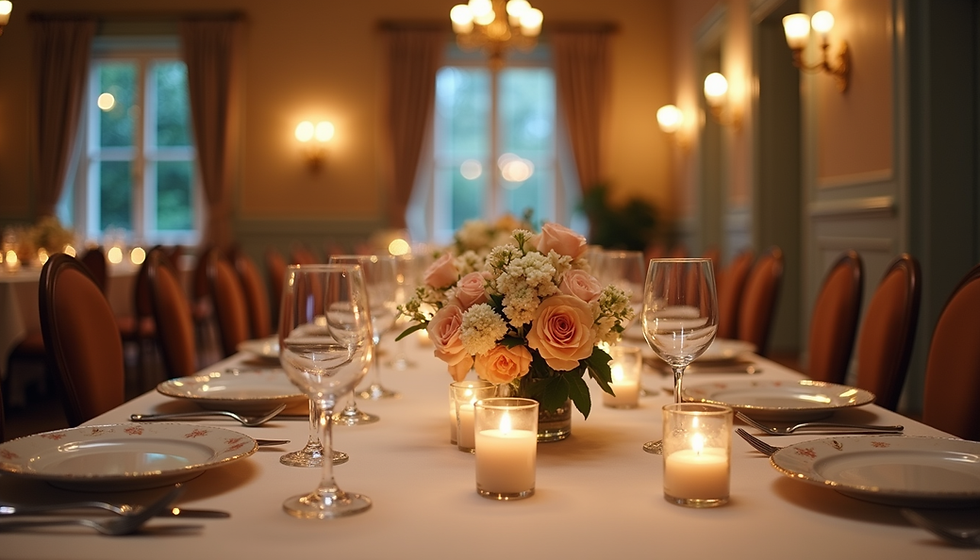
Decorations: Centerpieces, floral arrangements, and table settings.
Attire: Close-ups of the wedding dress, shoes, and accessories.
Post-Wedding Editing
After the wedding, the editing process is crucial for enhancing the candid moments you captured. Here are some tips:
1. Select the Best Shots
Go through your images and select the most impactful candid moments. Look for:
Emotional Depth: Choose images that evoke strong feelings.
Variety: Ensure a mix of wide shots and close-ups to create a dynamic album.
2. Enhance with Editing Software
Use editing software to enhance your images. Consider:
Color Correction: Adjust the colors to reflect the mood of the day.
Cropping: Crop images to focus on the main subject and eliminate distractions.
3. Create a Story
Arrange the selected images in a way that tells a story. Consider the flow of the day, from preparations to the ceremony and reception.
Final Thoughts
Capturing unposed moments in wedding photography is about being present, aware, and ready to seize the moment. By preparing adequately, employing effective techniques, and thoughtfully editing your images, you can create a stunning visual narrative that reflects the true essence of the couple's special day.
As you embark on your journey in wedding photography, remember that the most cherished images are often the ones that capture the heart and soul of the event. So, keep your camera ready and your eyes open for those beautiful, unposed moments that tell a story like no other.
What to confirm before the wedding day
Before finalizing the photography timeline, confirm access times, portrait restrictions, ceremony rules, rain options, transportation between spaces, and any areas that require staff permission. These details affect how much usable portrait time you actually have.
A strong plan usually protects a few flexible windows for portraits instead of scheduling every minute too tightly. That gives you room to work around weather, delays, guest movement, and changing light without sacrificing the documentary parts of the day.
Explore more wedding photography by Mantas Kubilinskas.