Blizzard Jonas in Washington DC: Winter Photo Essay

Updated: 7 days ago

January 2016 changed Washington DC completely.
Snow covered the monuments, quieted the streets, and transformed the city into something almost unrecognizable. Cars disappeared beneath layers of white. Sidewalks emptied. The usual movement and noise of Washington slowed down for a moment, creating one of the most visually unforgettable weekends the city has seen in years.

For photography, it was incredible.

Washington DC Covered in Snow

There’s something surreal about seeing Washington DC completely covered in snow. Familiar locations suddenly feel cinematic and timeless at the same time.

The Lincoln Memorial looked softer beneath the falling snow. Georgetown streets became calm and nearly empty. Historic buildings reflected winter light in a way that felt clean, quiet, and emotional.

Every direction looked different.

In 2016, Blizzard Jonas created the kind of winter scenery photographers dream about:

untouched snow across the National Mall
frozen reflections downtown
quiet streets in Georgetown
snow-covered rooftops throughout DC
dramatic black and white city scenes
soft natural light bouncing across the entire city

It felt like Washington DC paused for a weekend.

Photographing Washington DC in Winter

Winter changes photography completely.
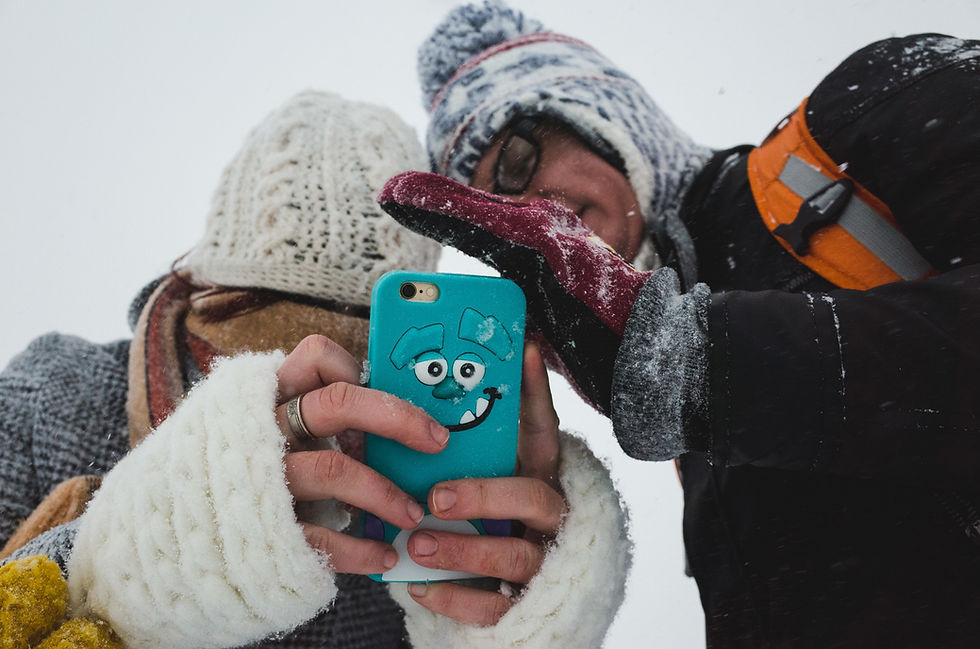
The light becomes softer and more even throughout the day. Snow naturally reflects brightness into shadows, creating cleaner skin tones and more depth in black and white images. Even familiar locations suddenly feel more intimate.
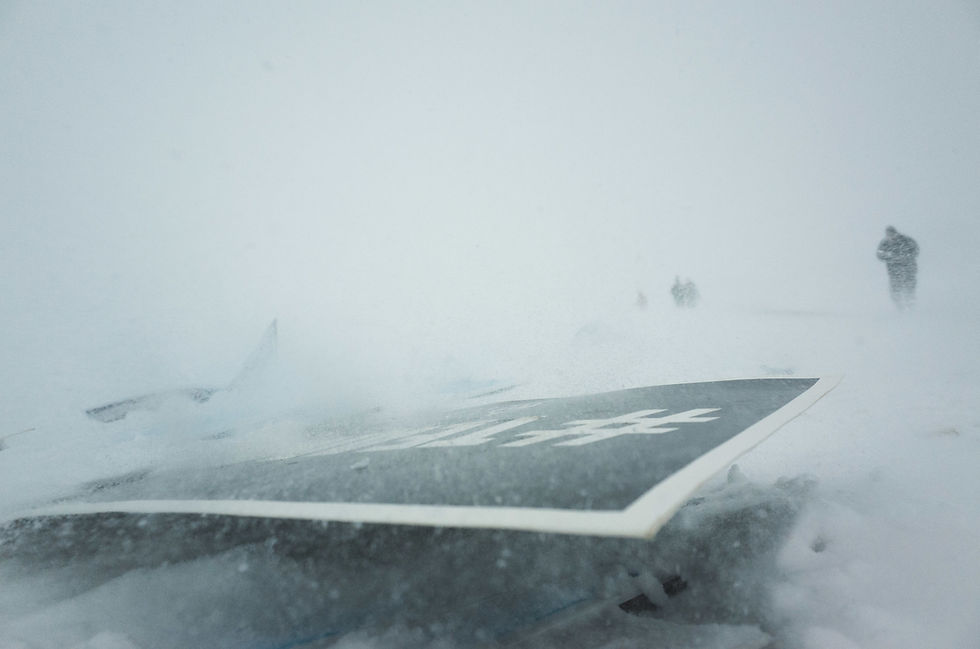
Some of the strongest photographs happen during winter because the environment itself adds emotion and atmosphere naturally.

Instead of busy backgrounds and distractions, snow simplifies everything:

cleaner compositions
softer tones
stronger contrast
natural texture
quieter surroundings

Washington DC architecture already photographs beautifully, but snow gives the city another layer entirely.

A Different Side of Washington DC

Most people experience Washington DC during spring tourism, crowded summers, or busy political seasons.

January 2016 revealed a completely different version of the city.
The silence became part of the experience. Empty roads around the monuments felt almost unreal. Snow covered the details of sidewalks, parks, and historic buildings, making everything feel softer and more minimal.
For documentary photography, those moments matter.
Real weather creates real emotion. People move differently. They slow down. They react naturally. Winter photographs often feel more honest because nobody is pretending the conditions are perfect.
They’re simply living in the moment.
Why Snow Creates Timeless Images
Snow removes distractions from photographs.
Colors become cleaner. Movement stands out more. Emotion becomes the focus. A couple walking through falling snow in Washington DC immediately feels timeless because the environment strips away visual noise.
Black and white photography becomes especially powerful during winter conditions. Contrast increases naturally between snow, architecture, shadows, and movement. Every frame feels more atmospheric.
That’s part of why images from January 2016 still stand out years later.
They don’t feel trendy.
They feel real.
Winter Photography in Washington DC
Washington DC remains one of the most visually interesting cities for winter photography because of its combination of:
historic architecture
open monument landscapes
reflective marble surfaces
tree-lined streets
dramatic symmetry
soft winter light
When snow arrives, those elements become even stronger visually.
Some of the most memorable winter images happen not because conditions are easy, but because the environment becomes unpredictable and emotional. The cold air, visible breath, heavy snowfall, and quiet streets all become part of the visual story.
Remembering January 2016
Years later, people still remember Blizzard Jonas because it transformed Washington DC into something rare.
The city looked quieter. Softer. More emotional.
And for photography, those conditions created images that could never be recreated the same way again.


