Five Key Strategies for an Unforgettable Lincoln Memorial Photoshoot

Updated: 6 days ago

A Lincoln Memorial engagement session needs a workable plan for light, visitors and the places where photographs are allowed. Start with the actual group and equipment you intend to bring, confirm the current park guidance, and keep a flexible portrait route that respects the memorial and other visitors.
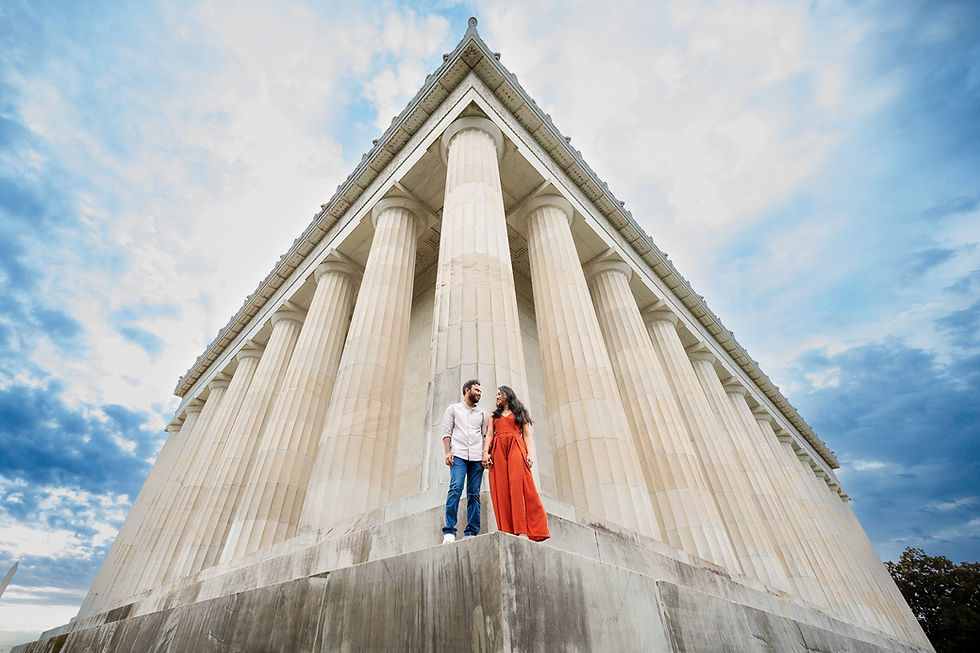
1. Confirm permissions for the actual session
The National Park Service’s current national guidance says photography involving eight or fewer people may not require a permit when every condition is met: the area is open to the public, equipment is hand-carried, there is no exclusive use or adverse impact, and the activity is unlikely to require additional administrative costs. Being paid or photographing an engagement does not, by itself, decide the answer. An associated wedding, event or other activity may have separate requirements.
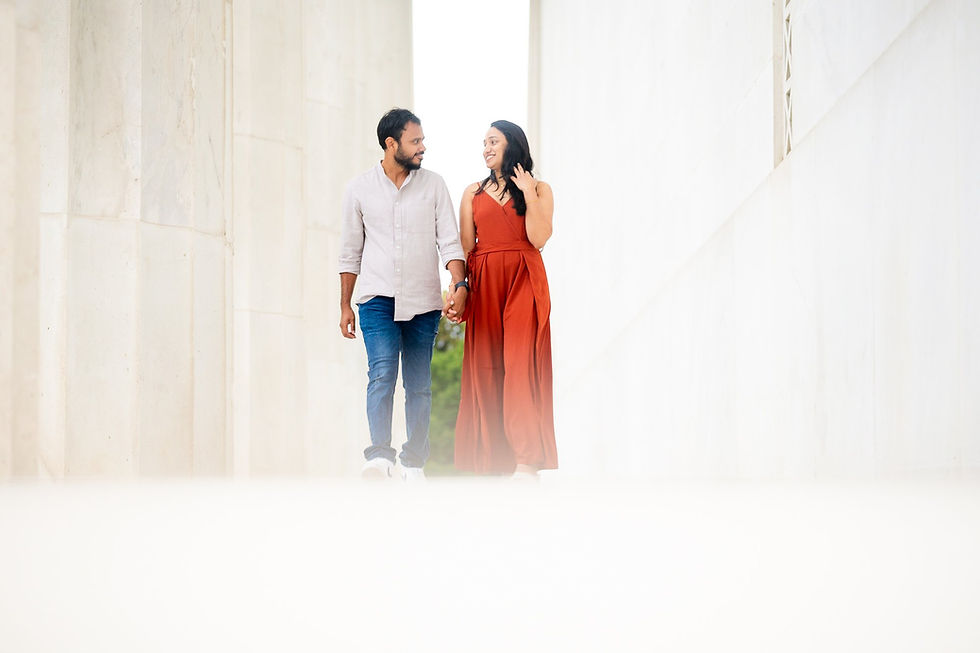
The National Mall and Memorial Parks superintendent’s compendium and its photography webpage are not fully aligned in their general wording. Send the park your actual group size, proposed locations, equipment and schedule before relying on an exemption. Confirmation of a permit requirement is separate from confirmation that a particular memorial area can be used for portraits.

2. Choose a light window and a flexible route
Early or late daylight can make outdoor portraits easier than harsh midday sun. Pick a time based on the date and conditions, then allow enough time to walk between approved viewpoints. The memorial and Reflecting Pool are popular visitor destinations; a weekday or early start can help with crowds, but neither guarantees an empty background.

Avoid plans that depend on blocking stairs, paths or entrances. If the intended viewpoint is crowded, use another permitted outdoor composition rather than asking visitors to clear the area. The park’s rules and staff directions take priority over a planned photograph.

3. Keep the equipment and belongings manageable
Choose an outfit and shoes that make the walking route comfortable. If changing clothes, arrange a practical changing location in advance. Keep bags and equipment with the group. Additional lighting, supports, staging or exclusive use can change the permission requirements; describe those plans accurately when contacting the park.

4. Prepare for weather and changing access
Check the forecast, current alerts and any access restrictions before leaving. Wind, heat, rain or a temporary closure can change the route. Agree on a different time or location if necessary rather than assuming sheltered memorial spaces can always be used for a portrait session.

5. Make the session feel like the two of you
Plan a mix of walking photographs and a few still portraits rather than a long checklist of poses. A short, unhurried route leaves room for conversation and real expressions. Tell the photographer which views matter most, while keeping alternatives available for crowds or restrictions.

Current primary sources: NPS national photography guidance · National Mall and Memorial Parks compendium · Park photography webpage
See another lincoln memorial photography story.
Written from the perspective of Mantas Kubilinskas, a Washington DC wedding and engagement photographer with experience photographing couples around the National Mall.


